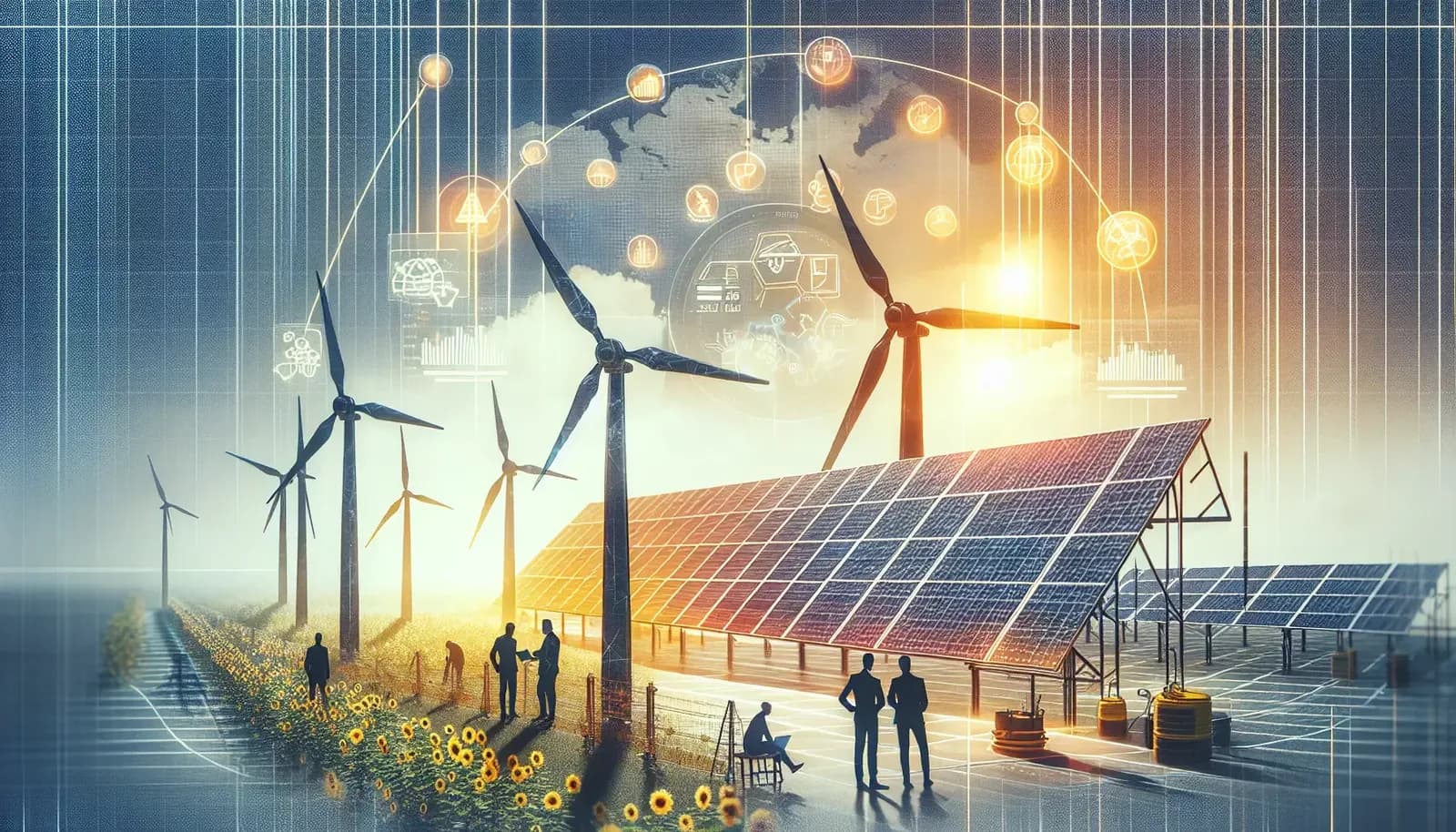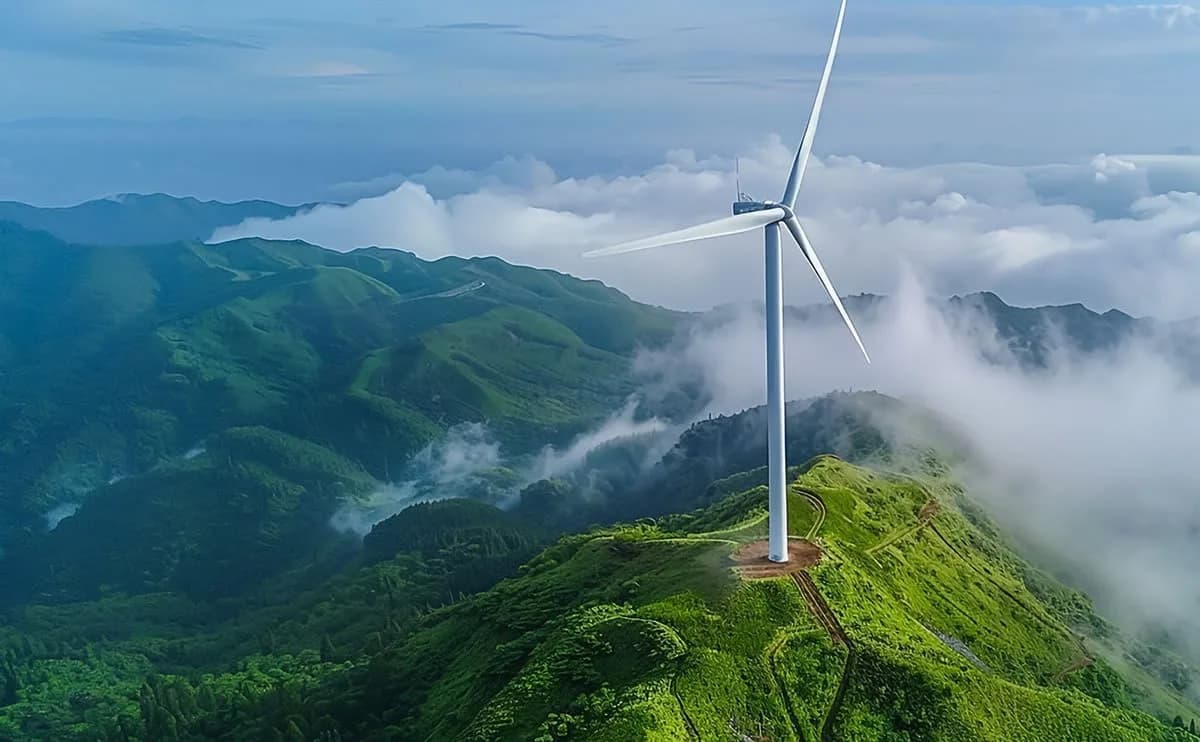
In recent years Europe has become one of the fastest-moving regions in the global energy transition. Rising energy demand, carbon-neutral targets and the need for security of supply are pushing countries across the continent to scale up renewable investment. By 2025, solar and wind have become strategic sources covering a large share of Europe's electricity generation.
The European Union's 2030 target
The EU's 2030 target is for renewables to reach at least 42.5% of total energy consumption, and many countries are already getting there sooner. Germany has pushed the renewable share of its electricity above 50%, Spain is one of Europe's fastest-growing solar markets, and the Netherlands leads in offshore wind.
Storage capacity
Energy storage is spreading rapidly, allowing intermittent sources such as solar and wind to be used more efficiently. Between 2024 and 2030, storage investment in Europe is expected to grow fivefold, with grid stability becoming fully compatible with renewables.
Green hydrogen is another critical topic. Europe is investing heavily in hydrogen to cut fossil fuel use in industry; Germany, the Netherlands and Denmark are developing joint projects, and green hydrogen is expected to lead in steelmaking, chemicals and heavy transport.
The economic impact is substantial: according to the European Commission, the sector will create more than 2 million new jobs by 2030 across energy infrastructure, engineering, batteries, hydrogen and smart grids.
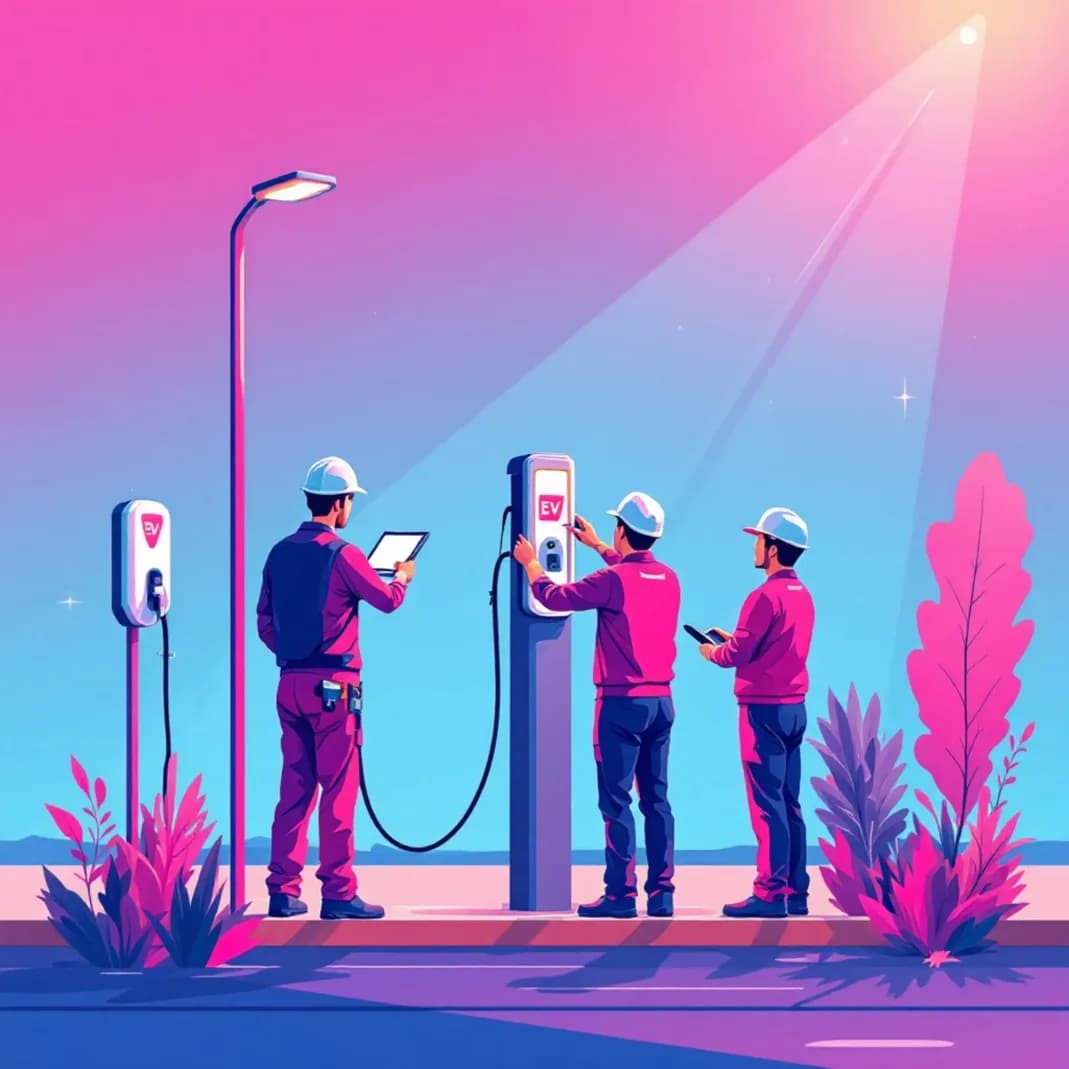
Europe's transformation goes beyond generation. Smart grids, EV charging infrastructure and energy efficiency projects are expanding rapidly as countries invest in integrated systems to reduce supply risks and tackle the climate crisis.
In short, Europe is setting a global benchmark for the renewable transition, increasing its energy independence while laying critical infrastructure for a sustainable future.