Turning vehicles and infrastructure into smart energy sources. Discover how V2L and C2L technology is transforming energy access for businesses and outdoor enthusiasts.
V2L vs C2L: Understanding the Technology
Your energy source changes everything. Two breakthrough technologies are reshaping how we access and use electricity, but which one suits your needs better? Let's look at the key differences.
V2L: Vehicle-to-Load Technology
Mobile power freedom
Vehicle-to-Load (V2L) turns your electric vehicle's battery into a mobile power station. Your car becomes an independent energy source that delivers electricity wherever you need it.
- Powers devices directly from your EV battery
- Turns your car into a power source during outages
- Ideal for camping, caravanning and emergencies
- Widely supported by brands such as Hyundai, Kia, MG and BYD
Maximum mobility meets energy independence.
C2L: Charger-to-Load Technology
Infrastructure-based solutions
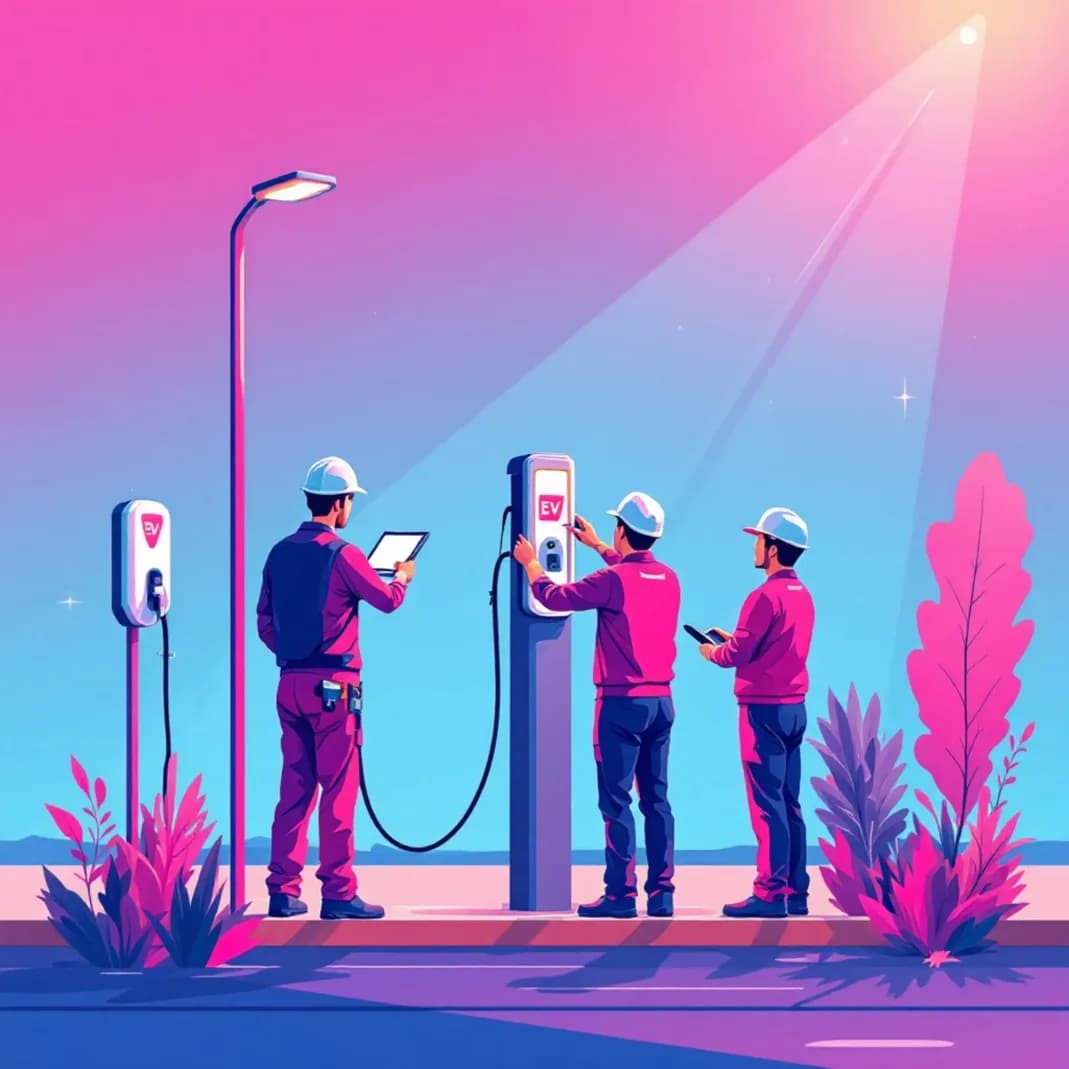
Charger-to-Load (C2L) draws power from charging stations and wallboxes to create fixed power distribution points, so you can distribute power across your site without relying on a vehicle.
- Draws energy from charging infrastructure (station / wallbox)
- A perfect fit for car parks, shopping centres and facilities
- Can power caravans, boats and mobile equipment
- No vehicle required
Fixed power, optimised for maximum efficiency.
Key Differences at a Glance
- Energy source: V2L uses the EV battery; C2L uses a charging station or wallbox.
- Vehicle requirement: V2L needs a V2L-capable EV; C2L needs no vehicle.
- Mobility: V2L is exceptionally mobile, with power anywhere; C2L serves fixed locations.
- Outage protection: V2L works during power cuts; C2L requires grid power.
V2L offers mobile freedom, while C2L maximises infrastructure efficiency.
When to Choose V2L
Emergency preparedness
Protection against power cuts. When the grid fails, your car becomes a backup power source and keeps critical equipment running.
Outdoor adventures
Ideal for camping, caravanning and outdoor activities. Take power with you wherever you go, with full off-grid capability.
Mobile independence
Requires a V2L-capable EV but offers unmatched flexibility. V2L support is common among brands such as Hyundai, Kia, MG and BYD.
When to Choose C2L
Fixed infrastructure
Ideal for car parks, shopping centres and commercial facilities. Use existing charging infrastructure to distribute power efficiently across your site.
Stationary equipment
Powers caravans, boats and mobile units without a vehicle connection, which suits marinas, caravan parks and equipment yards.
Vehicle-independent operation
No compatible EV needed. Your charging station becomes a power distribution hub, increasing the return on your infrastructure investment.
Real-World Applications
Events and festivals
V2L can supply power at remote locations without a generator: quiet, clean energy for outdoor events, film productions and temporary setups.
Emergency services
First responders can use V2L to power critical equipment during disasters. Mobile command centres and medical equipment keep working when infrastructure fails.
Marinas and caravan parks
C2L solutions provide consistent power for boats and caravans. Fixed charging points can act as power distribution hubs during long stays.
The ENERJİUS Advantage
- Expert consultation: we analyse your needs and recommend the right approach: V2L, C2L or hybrid.
- Quality hardware: premium adapters and charging equipment designed for reliability, safety and maximum efficiency.
- Ongoing support: technical assistance and maintenance keep your energy solution performing at its best throughout its life.
Ready to Transform Your Energy Access?
- V2L solutions: mobile power freedom for camping, emergencies and outdoor adventures.
- C2L solutions: infrastructure-based power distribution for facilities and fixed installations.
- Hybrid systems: combined solutions that maximise both mobility and infrastructure efficiency.
The right adapter. The right scenario. Maximum efficiency.